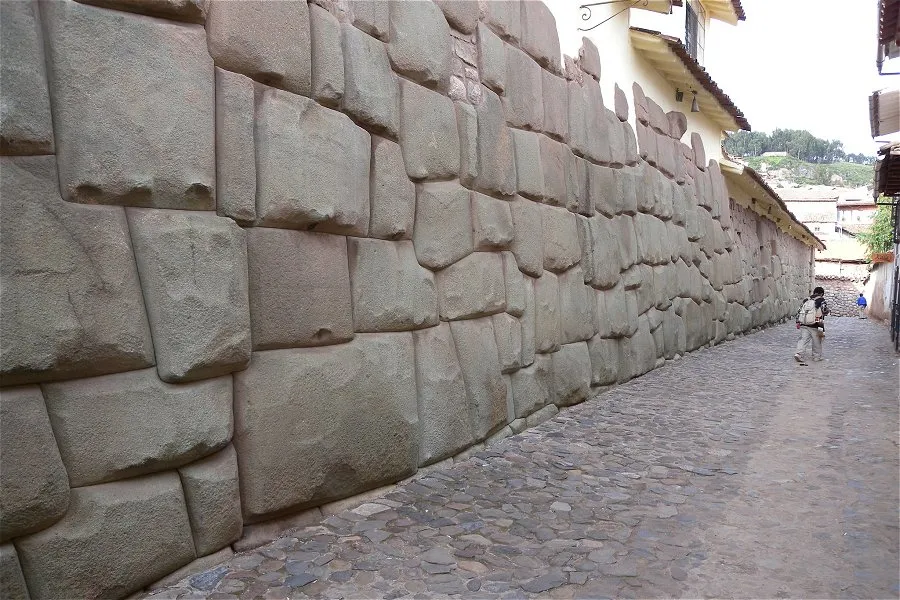
Cuzco
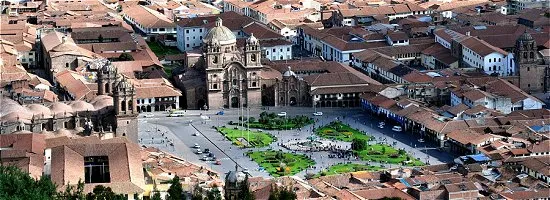
© Robert Rusell
The region around present-day Cuzco had been inhabited by the Killke people between 900 and 1200. They built a fortress there. The Inca then took control and they made Cuzco their capital. It became one of the world's largest cities during that time.
The first Spanish conquistadores arrived in 1533. They plundered the city, leaving it in ruins and executed the Inca emperor Atahualpa. They retained the city's name of Cuzco.
The Spanish proceeded to demolish buildings and using their foundations to built new ones. In Cuzco's old town you can still see numerous colonial buildings with these Inca foundations.
The Inca's still tried to retake the city on several occasions, but they were never succesful. Urban development was interrupted by a number of earthquakes, the worse of which took place in 1650 and almost totally destroyed the city.
After Peru had declared independence from Spain in 1821, Cuzco remained loyal to the Spanish until 1824. In 1941, Cuzco was struck by an earthquake that weakened many buildings. In 1950, another earthquake destroyed large parts of the city. Cuzco was declared a UNESCO world heritage site in 1983.
Cuzco is the most important archaeological site, as well as the oldest continuously inhabited city in the Americas. Most of the city's inhabitants are the descendants of the Inca's and many people speak Quecha as their native language. Cuzco is an important transportation hub and the city features numerous Inca remnants and colonial-era monuments. Cuzco is also spelled as Cusco.
Points of interest
- The Casa Concha (House of Shells) was built in 1710. It features mural paintings, carved wooden decorations, a stone entrance and Baroque-style balconies. In the 20th century, it housed a police station and since 2011, it has been the home of the Machu Picchu Museum.
- East of the city center are the Coricancha ruins. Originally they were covered with gold, but that was removed and reused during later periods and all that remains is the stonework.
- Hatun Rumiyoq is a street that runs from the Plaza de Armas to the Barrio de San Blas. The Palace of Inca Roca and the Stone of Twelve Angles are located along the street.
- The Palacio del Cabildo (Cabildo Palace) houses Cusco City Hall and a museum.
- The Palacio de Inca Roca (Palace of Inca Roca) is located in the Hatun Rumiyoq street.
- The Plaza de Armas
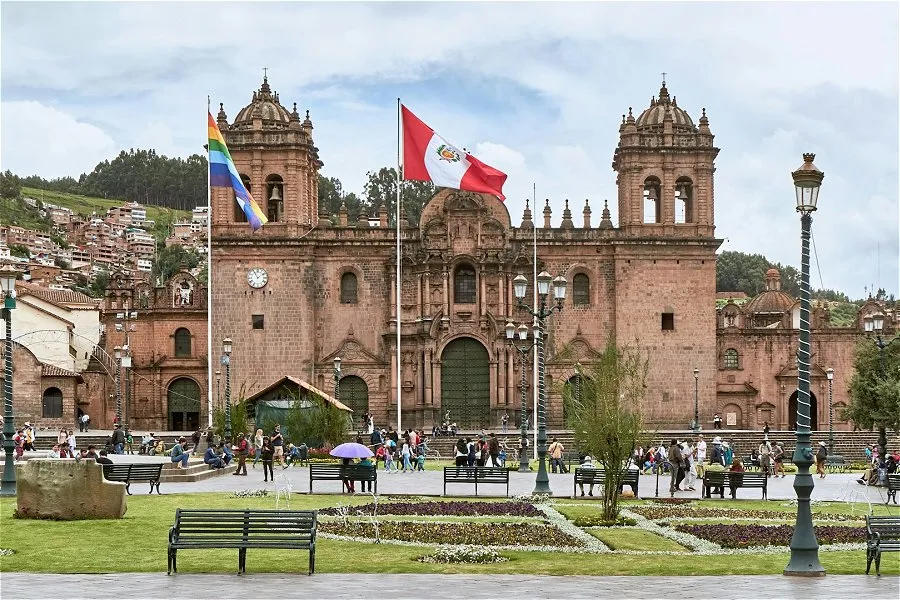
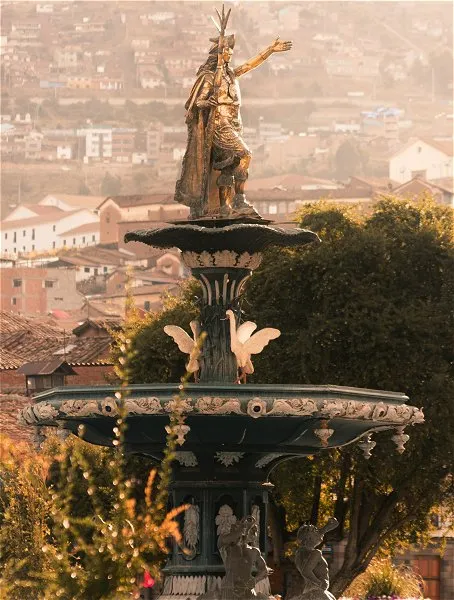
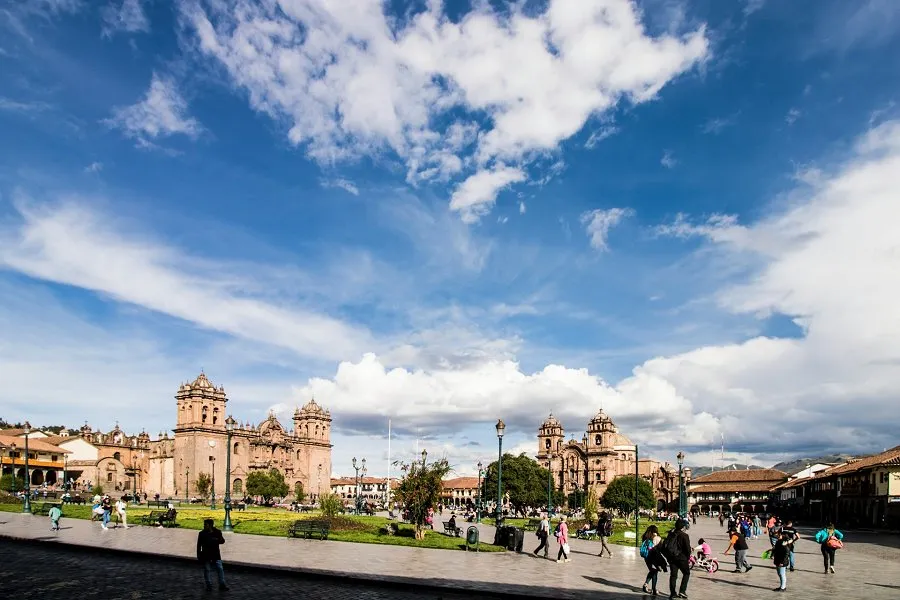
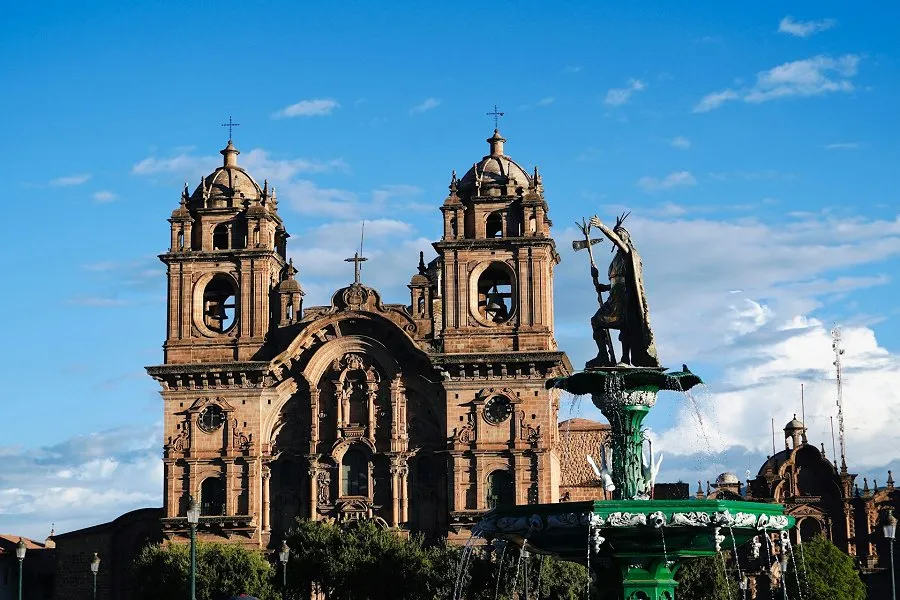
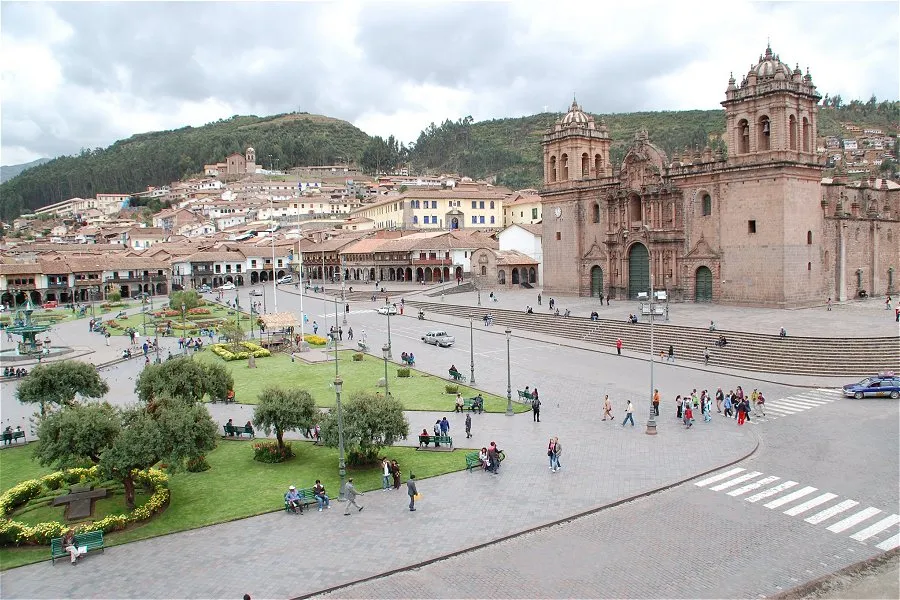
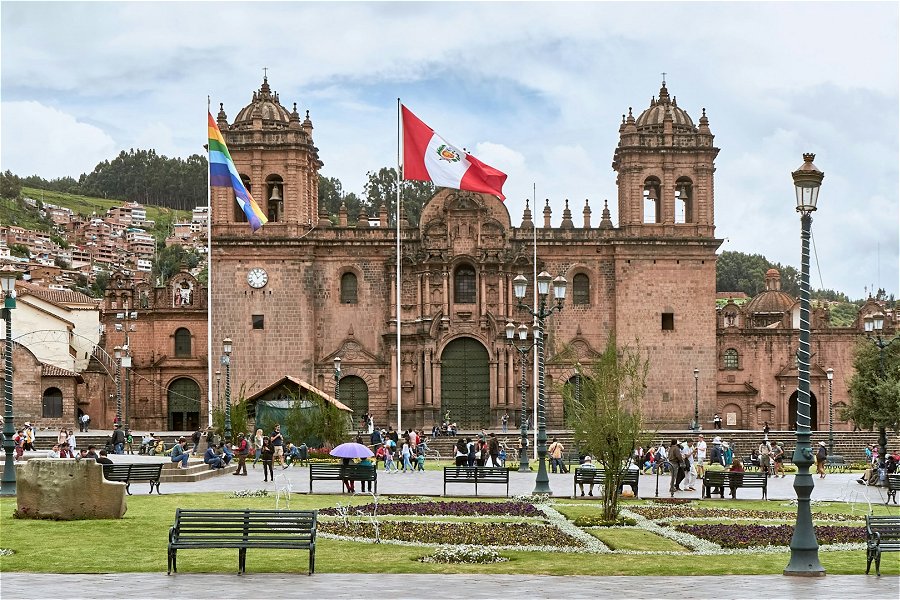 (Parade Ground) has been the main square in Cuzco since around 1100, when it was laid out by the Killke people. It had originally been a swamp, which the Killke people completely covered with sand they brought in from the coast, across the mountains, some 350 km away. The Cathedral Basilica of the Virgin of the Assumption and the Church of the Society of Jesus are located in the square. It also features an ornate fountain with an Inca statue.
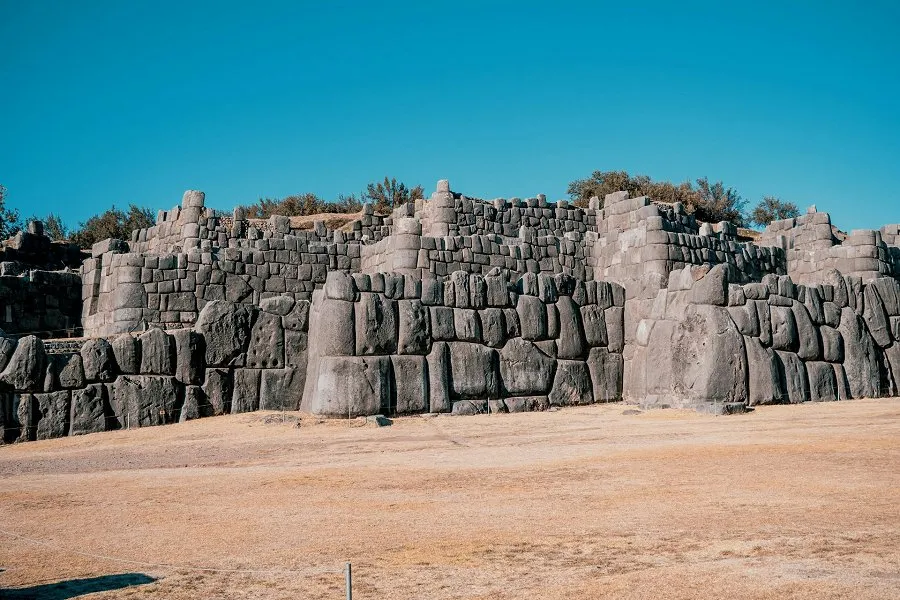
- The Sacsayhuamán
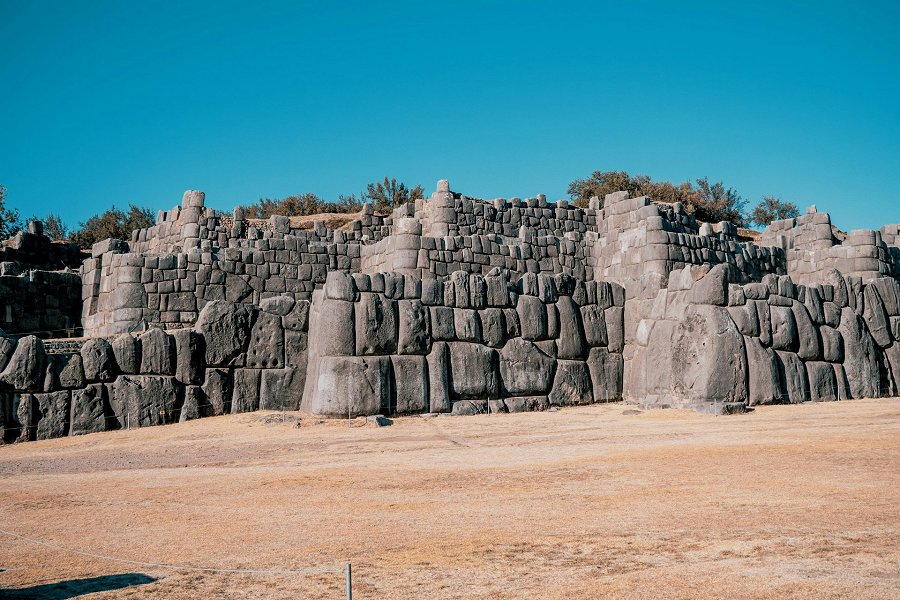 was built by the Killke people around 1100. It was later expanded by the Inca. The complex includes an ancient roadway and aqueduct system. The remains of the palace of the Incas, Qurikancha (the Temple of the Sun) and the Temple of the Virgins of the Sun can still be seen there. Qurikancha covers some 250 m² (2,700 sq ft) and contains 11 rooms. Sacsayhuamán is the location, where the Inti Raymi festival is held every year.
- The Twelve-Angled Stone was originally part of a stone wall of an Inca palace. It is currently part of a wall in the palace of the Archbishop of Cusco. The stone is an excellent example of the Incas' advanced stonework.
Museums
- The Centro de Textiles Tradicionales del Cuzco (Center for Traditional Textiles of Cuzco) was founded in 1996 by indigenous weavers from the community of Chinchero. The museum shows examples of traditional weaving products.
- The Museo de Arte Precolombino de Cuzco (MAP) (Pre-Columbian Art Museum) was established in 2003. The museum exhibits archaeological artefacts and pre-Columbian artwork. The museum is housed in a building that was originally an Inca ceremonial courthouse. In 1580, it was demolished and rebuilt in Colonial style. The museum is located in Plazoleta de las Nazarenas.
- The Museo de Arte Religioso del Arzobispado (Museum of Religious Art of Arzobispado).
- The Museo Histórico Regional Casa del Inka Garcilaso de La Vega (Regional Historical Museum of Cuzco) was founded in 1946. Its collection includes paleontological and archaeological objects from the pre-Hispanic period, as well as more recent ceramics, paintings, metals and textiles. It is located at Calle Garcilaso in the district of Heladeros.
- The Museo Inka (Inka Museum) has exhibitions of metal and gold artefacts, jewelry, pottery, textiles and mummies, all excavated from archaeological sites. The museum chronologically covers the history of Cuzco from its Inca beginnings up to the present day. The museum was originally established as the Archaeological Museum of the University of Cuzco in 1920. It is located at Cuesta del Almirante 103.
- The Museo Machu Picchu (Machu Picchu Museum) was established in 2011. The museum is housed in the Casa Concha.
- The Museo del Templo del Qoricancha (Museum of Qoricancha Temple).
Religious buildings
- The Basílica de la Merced (La Merced Basilica) was founded in 1536. The building was destroyed by the earthquake of 1650. It was subsequently rebuilt in 1675 in Baroque Renaissance style. The church houses a museum, where you can see an elaborate monstrance made of gold, as well as several huge gem stones.
- The Roman Catholic Catedral Basílica de la Virgen de la Asunción del Cuzco (Cathedral Basilica of the Virgin of the Assumption)
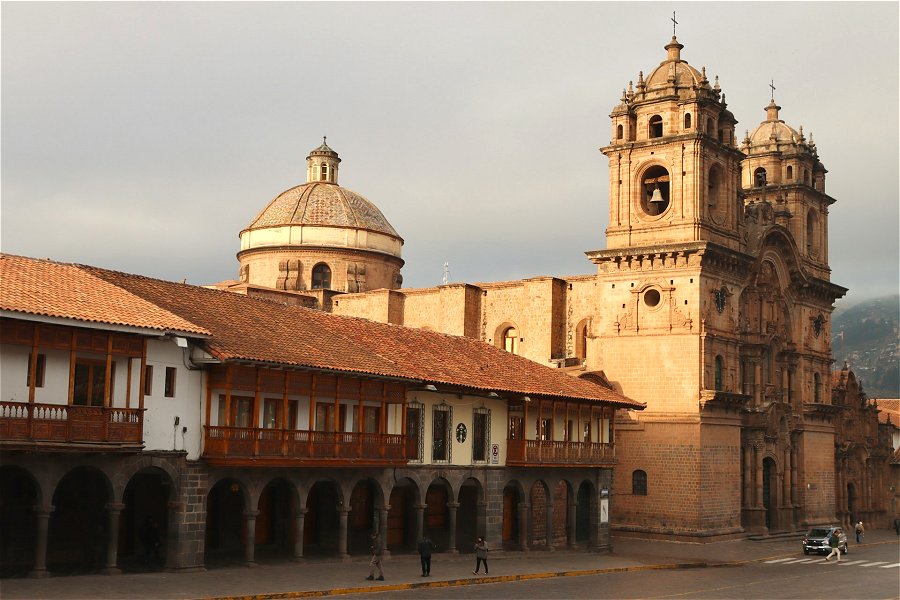 was built over a period between 1559 and 1654 at the location, where the Inca temple of Kiswarkancha once stood. The temple was demolished by the Spanish, who decided that their cathedral should stand at the prominent location in the northeastern part of the Plaza de Armas. During its construction, the 1650 earthquake struck and damaged the still unfinished building.
- Construction of the Iglesia de la Compañía de Jesús (Church of the Society of Jesus) originally started in 1576. The unfinished building was severely damaged in the earthquake of 1650. Rebuilding started in 1651 and the church was completed in 1673. It was built in the Spanish Baroque style and it is located in the Plaza de Armas.
- The Iglesia de San Francisco (Church of San Francisco) was originally built in 1572. It was demolished in 1645 to be rebuilt in a more modern style. During the rebuilding process, the 1650 earthquake destroyed most of the work. The church was finally opened in 1652. The church is located in the Plaza San Francisco, not far southwest of the Plaza de Armas.
- The Iglesia y Convento de Santo Domingo (Church and Convent of Santo Domingo) was built at the location, where the Coricancha once stood. The Coricancha was dedicated to Inti (the Sun god of the Inca) and as such, it was the most important temple in the Inca Empire. It was destroyed by the Spanish conquerors and rebuilt as a convent. The convent was destroyed in the 1650 earthquake. The Church and Convent of Santo Domingo was subsequently built on its ruins. It was consecrated in 1633. The building was damaged in the earthquake of 1950 and restoration was not completed until 1976. The complex comprises a church, 2 cloisters and some Inca walls that were preserved.
- The Templo de la Sagrada Familia (Temple of the Holy Family) was built between 1723 and 1735. It fell into disrepair and it was closed in the 1960s. The temple was restored and it reopened to the public in 1996.
Around Cuzco
Cuzco provides passage to numerous Incan ruins in the region. The city is a good place to stay, as most of these ruins can be visited on day trips from Cuzco.
- The ruins of Choquequirao comprise a complex of buildings and agricultural terraces that were constructed around the truncated hill top of Sunch'u Pata. Choquequirao was founded by the Inca in the 15th century.
- Choquequirao, or Chuqik'iraw, is a 16th-century Inca site.
- Huillca Raccay is an archaeological site, located to the southeast of Patallacta and not far from the town of Chamana.
- Incahuasi is a 4,315 m (14,157 ft) high mountain in the Vilcabamba mountain range. It includes the viewpoint of Incahuasi, which provides excellent views of the Apurímac valley, Choquequirao and Padreyoc.
- The ruins of Machu Picchu are 60 km northwest of Cuzco. They are some of the most spectacular Inca ruins in the Americas. They can be reached from Cuzco by train, or via the Camino Inca (Inca Trail), a hiking trail that runs through Cuzco and ends a Machu Picchu.
- The archaeological site of Moray is located 50 km (31 mi) northwest of Cuzco.
- Ñusta Hispana is a sculpture garden, located in Vilcabamba.
- More interesting Inca ruins are located in the town of Ollantaytambo, 72 km (45 mi) northwest from Cuzco.
- Patallaqta is located to the southeast of Machu Picchu, at the confluence of the Cusichaca and Vilcanota rivers.
- Puca Pucara.
- Qenko.
- San Francisco de Maras is an intersting town, located some 40 km north from Cuzco. It is known for its salt evaporation ponds.
- Tambo Machay.
- Vitcos was the location, where Inca nobles of the Neo-Inca State lived. It was also a ceremonial center. The archaeological site there is called Rosaspata It is located on a ridge overlooking the town of Pucyura.
- Vilcabamba served as the capital of the Inca between 1539 and 1572, after the Spanish had sacked their original capital at Cuzco.
There are numerous hotels and restaurants in Cuzco. The city is located in the southeast of Peru, not far from the Sacred Valley of the Andes mountain range and the Huatanay and Urubamba rivers. Cuzco is 575 km east of Lima.

Images
Cuzco ©Robert Rusell
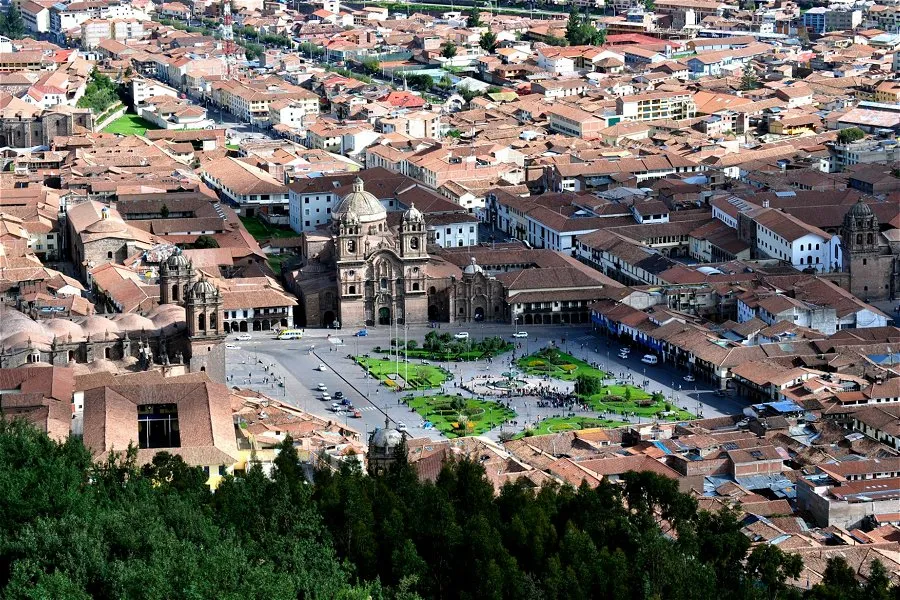
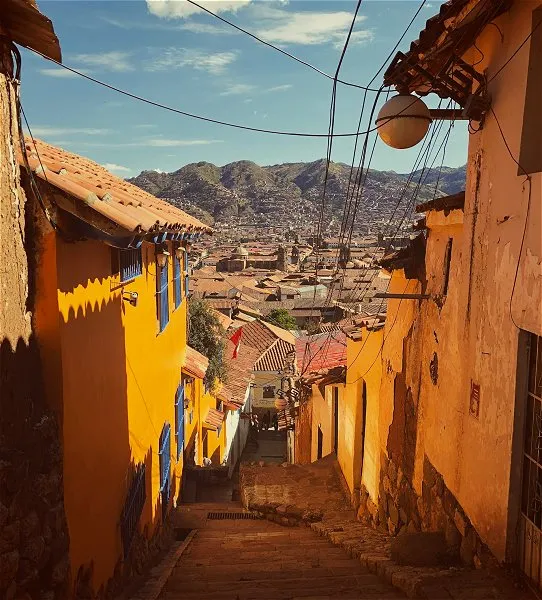
Calle Pasñapakana ©Joe Green
Cathedral Basilica of the Virgin of the Assumption ©Hongbin
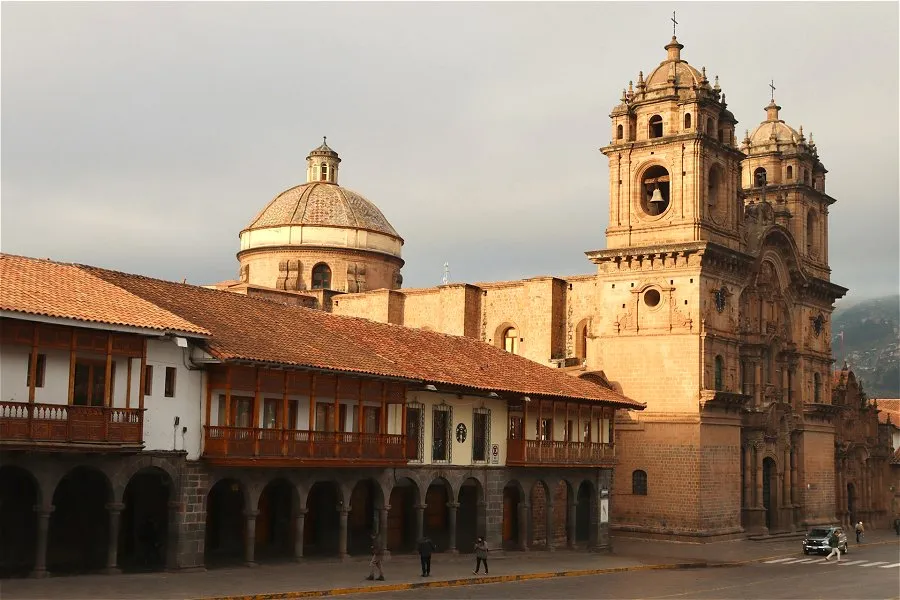
Cuzco ©Julien Gaud
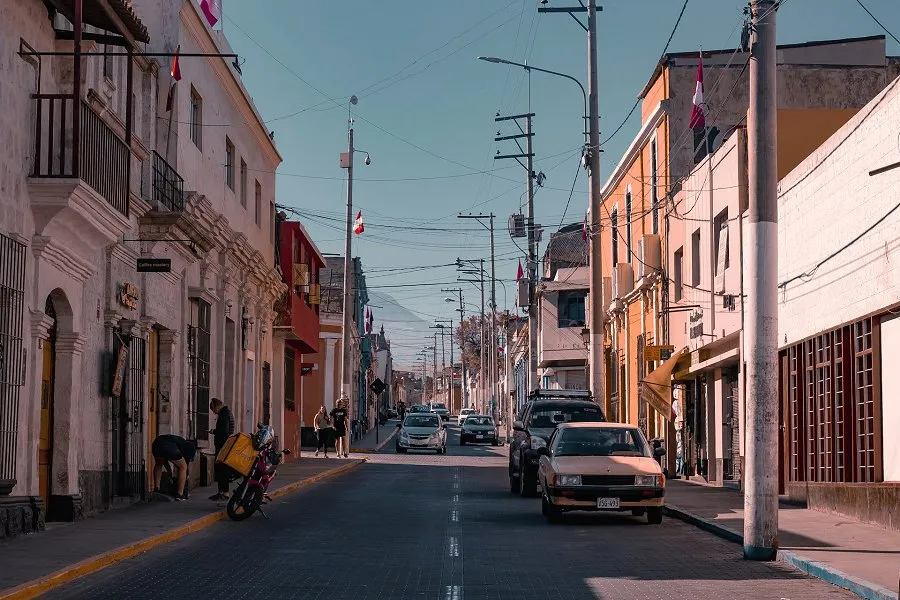
Cuzco ©Ruben Hanssen
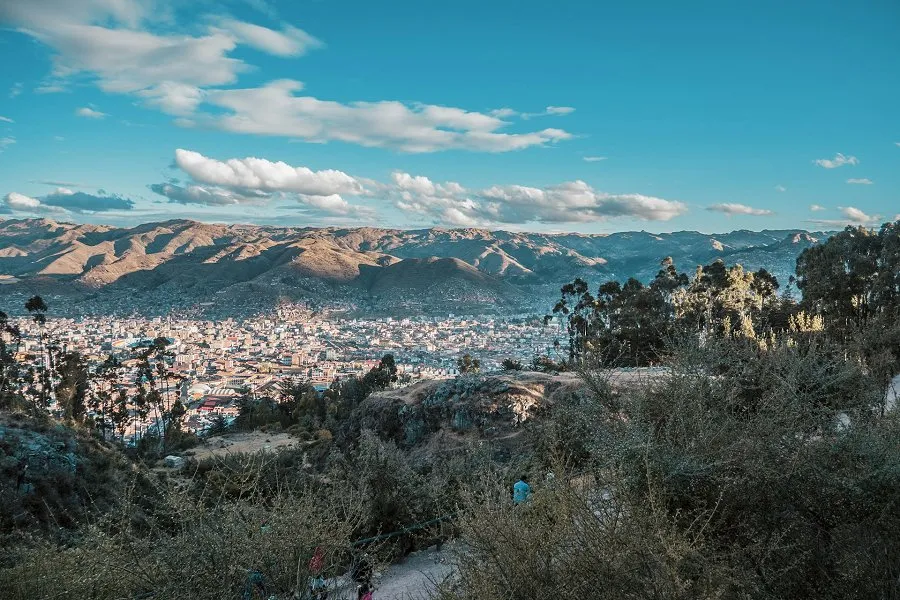
Cuzco ©Will Goodman
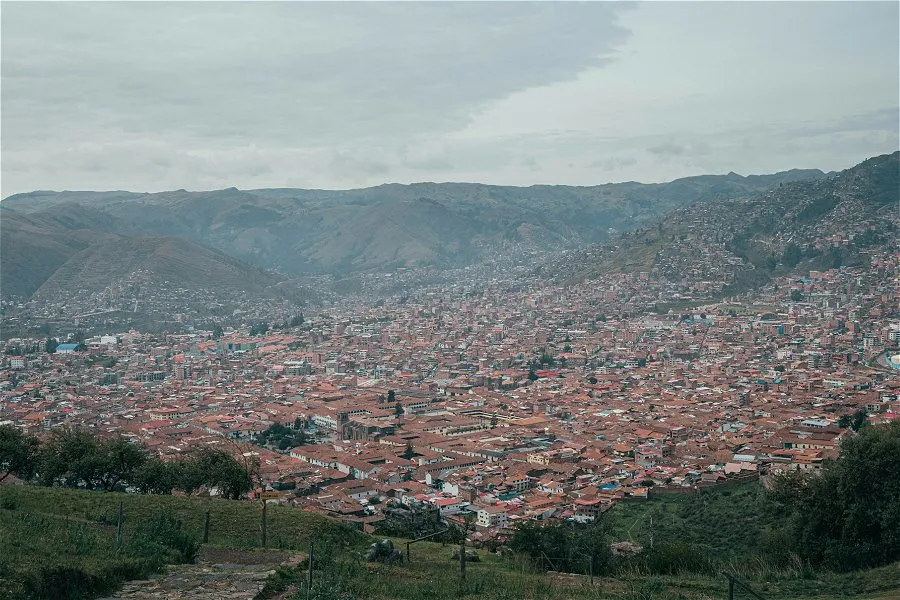
Cuzco ©Kieran Proctor
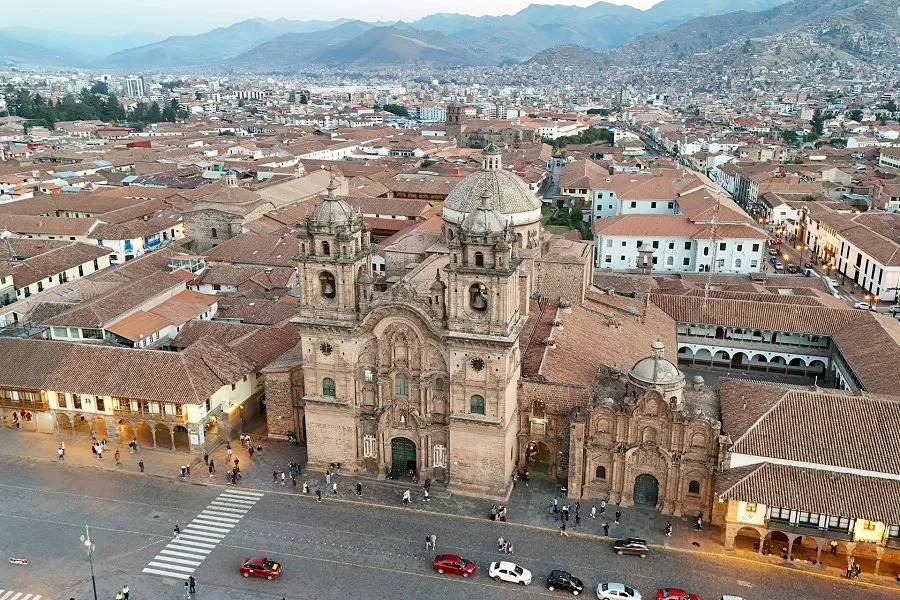
Plaza de Armas ©Raul Varela
Fountain in Plaza de Armas ©Andy Salazar
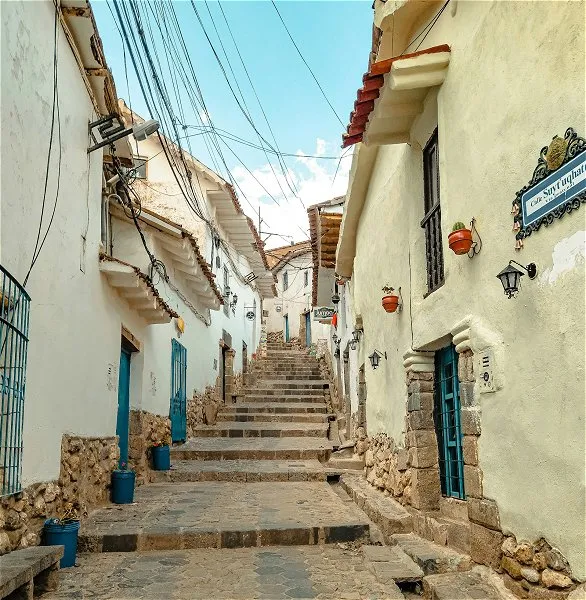
Plazoleta de San Blas ©Isaac Clinton Suca Fuentes
Plaza de Armas ©Viajes con Astro Cartografía
Sacsayhuamán ©Ruben Hanssen
Plaza de Armas ©Meina Yin
Cuzco ©Pedro Szekely
Plaza de Armas ©Pablo
Inca foundations ©Ryan McFarland