Kota Melaka (Malacca City)
© Roy Digital Design
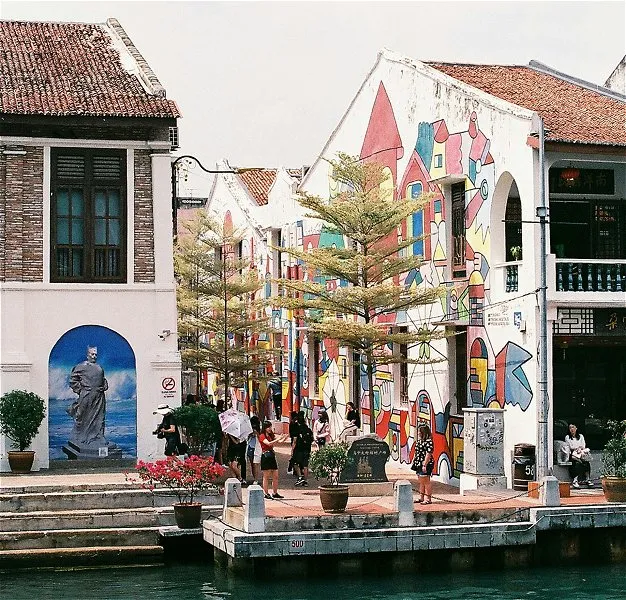
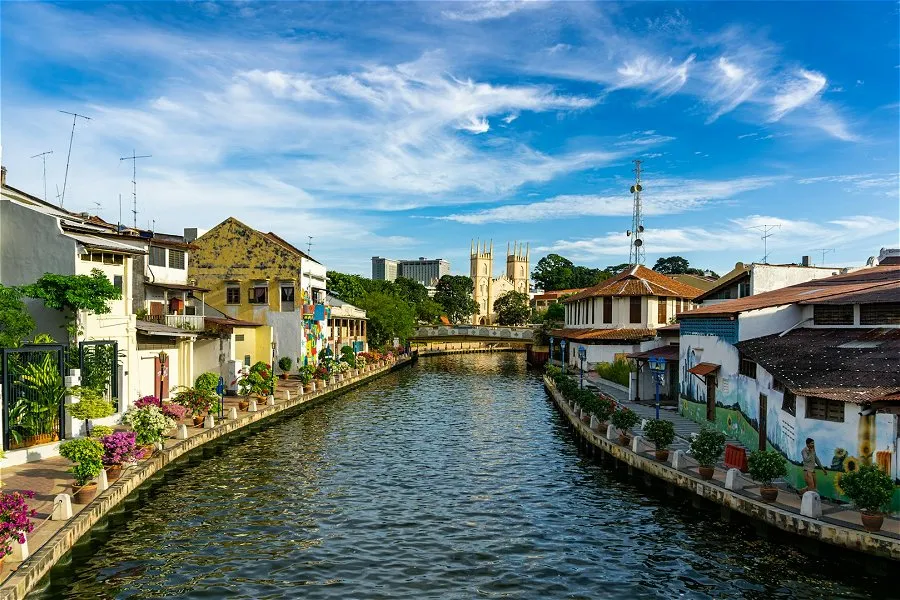
The quiet city of Kota Melaka, or Malacca City, is the most historic place in Malaysia. Kota Melaka was once the regions most important trading post and the Chinese, Portuguese, Dutch and British have all left their legacies.
You will find Chinese streets, lined with antique shops, as well as temples and other reminders of the old European colonial powers in Kota Melaka. Old-fashioned junks on the river give the town's waterfront an ancient atmosphere.
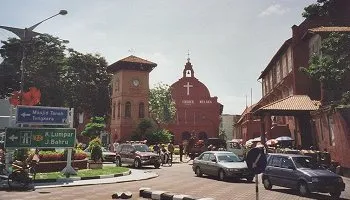
- One of the most striking monuments in Kota Melaka is the huge, pink town hall, known as Stadthuys. The Dutch built it between 1641 and 1660 and it is thought to be the oldest Dutch building in Asia. It boasts the distinct weighty doors and pleasant louvered windows that are so typical for Dutch colonial architecture. Inside the Stadthuys are some government offices, as well as the Ethnographic Museum, where you can see interesting displays on the region's history and culture.
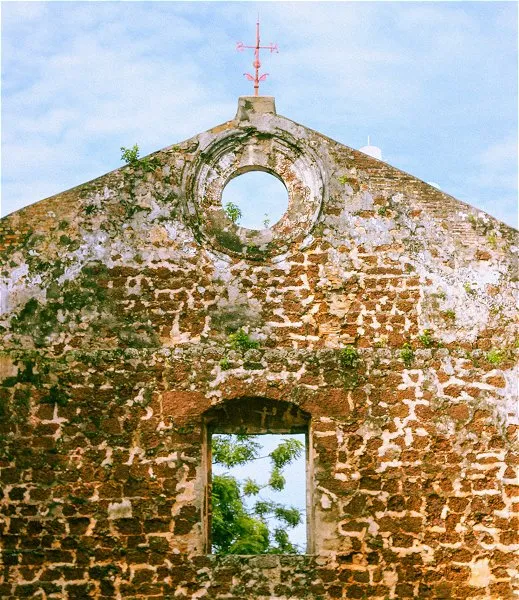
It is located in Laksamana Road and the square in front of the building is known as Red Square. - The Portuguese were the first to arrive in Kota Melaka. They built Saint Paul's Church
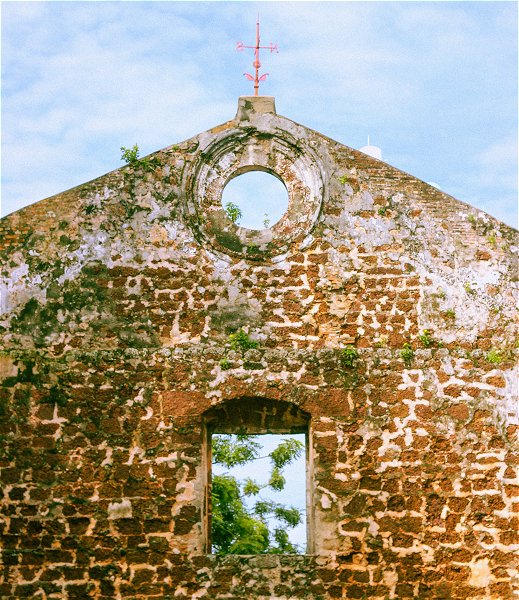 in the 16th century on a beautiful spot atop Saint Paul's Hill. Saint Francis Xavier regularly visited the church and was briefly buried there, before his remains were transferred to Goa in India. After that, the Dutch used the church only for funerals, while the British, who arrived later, turned it into a gunpowder store. No maintenance was carried out and as a result the church slowly dilapidated. Nowadays it is completely in ruins.
- A church that is still in use is the Anglican Christ Church
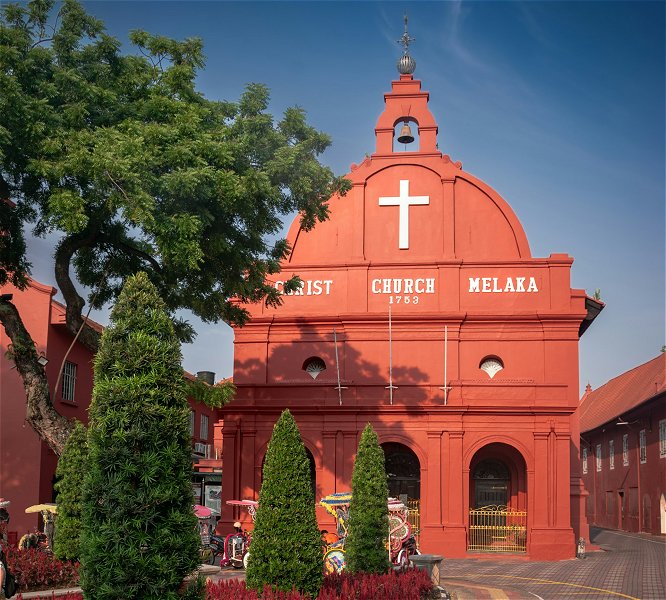 . It was built by the Dutch in 1753. It is the oldest functioning Protestant church in Malaysia.
- St. Peter's Church is located at the intersection of Little India Road and Park Raya Road.
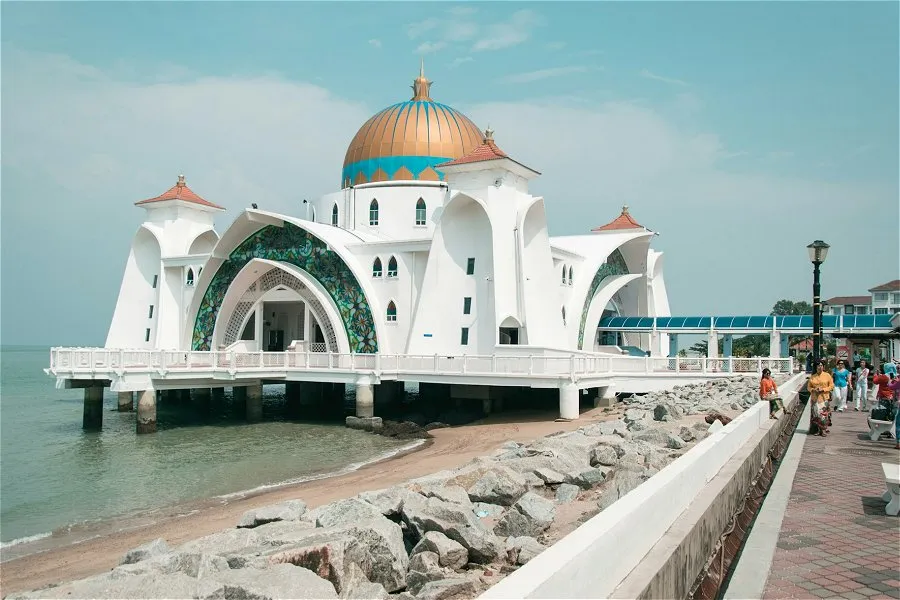
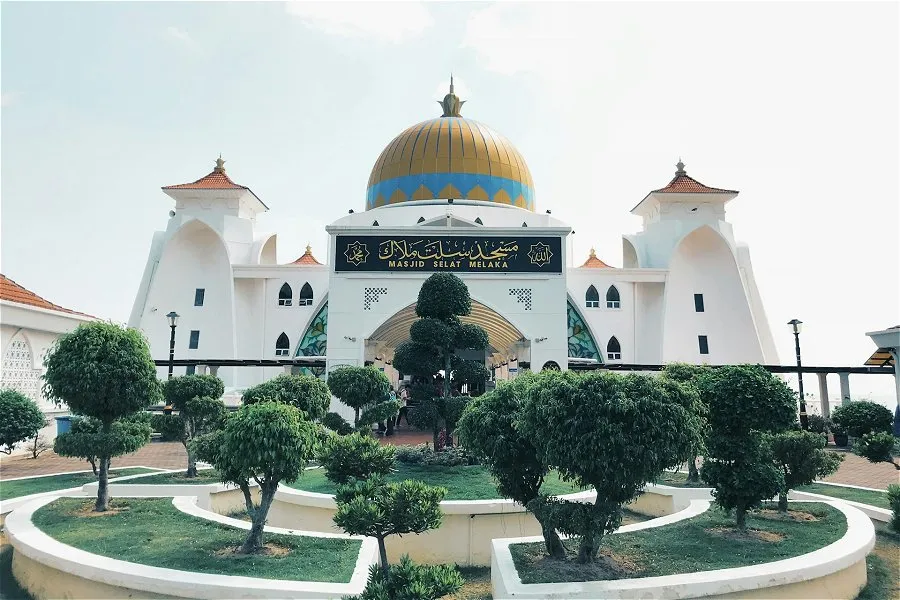
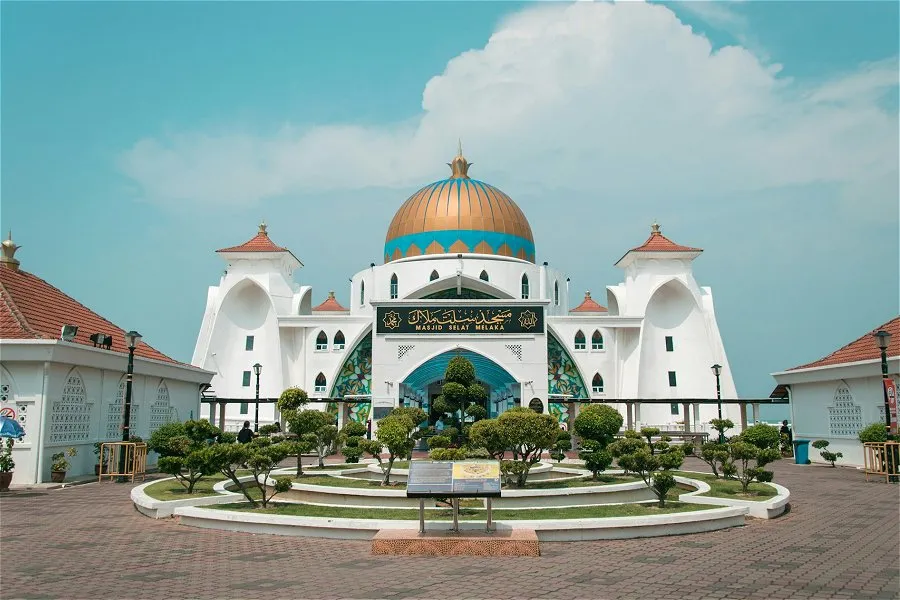
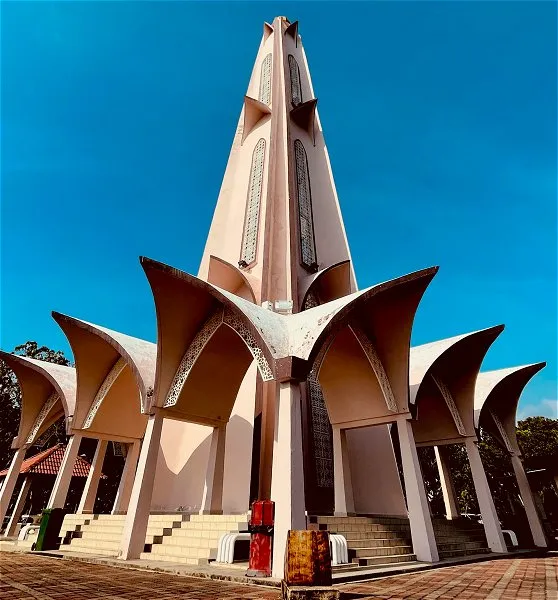
- Masjid Selat Melaka
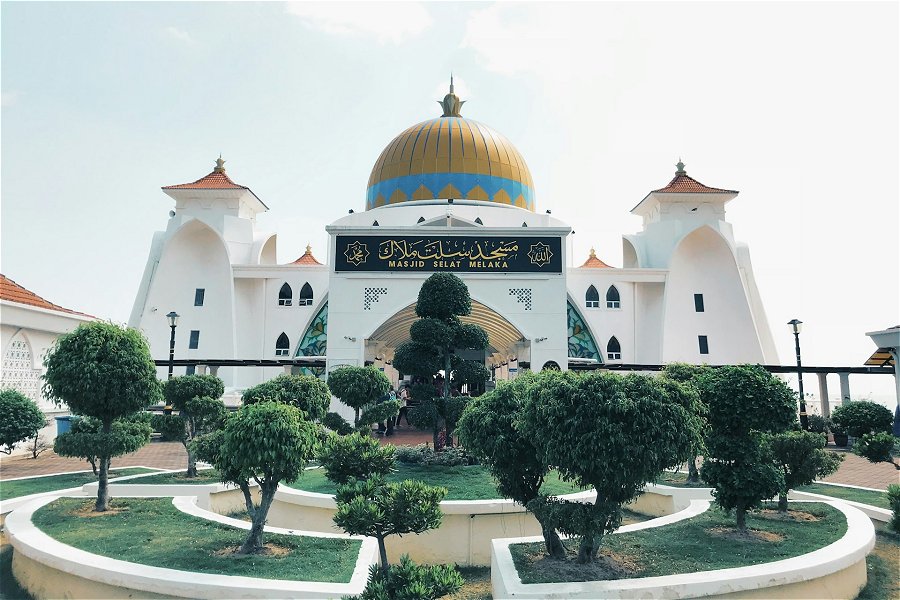 .
- A Famosa was a Portuguese fortress that was built in 1512. It is also known as Porta de Santiago, or the Fortress of Malacca. When the Dutch occupied Kota Melaka, the keep was destroyed, but the outer walls of the fortress were expanded. In 1811, the British destroyed it and the only remaining parts are the gateway of Porta de Santiago and the Middelburg Bastion.
- The Portuguese Settlement is also known as Saint John's Village, Aldeia de São João, Kampung St. John and Kampung Portugis. It is located in the area of Ujong Pasir and it is home to the Kristang people, who are an ethnic group with mixed Portuguese and Malay heritage.
- Little India is the area, where many Indians live and where you will find countless Indian shops and businesses. The area is concentrated on Jalan Bendahara road. It is also the location of St. Peter's Church.
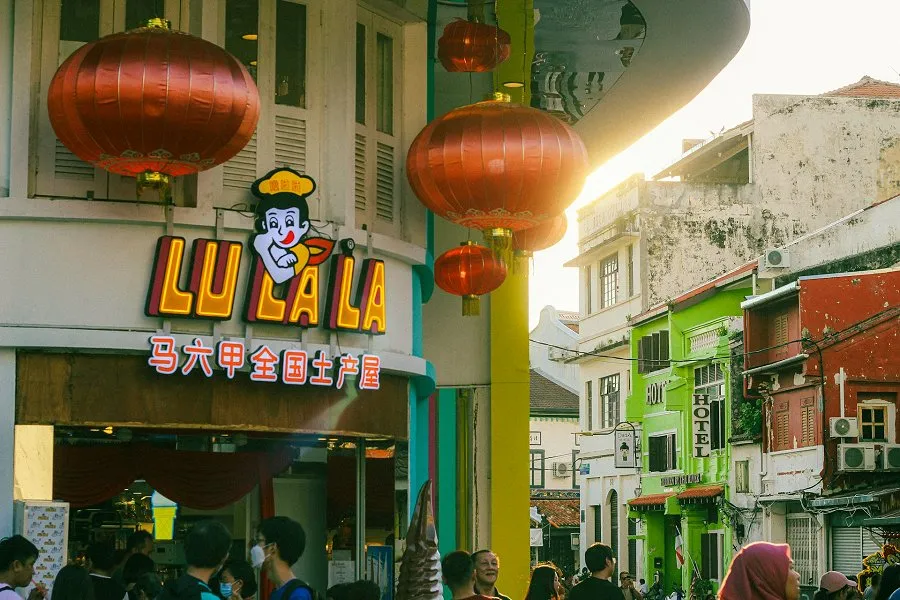
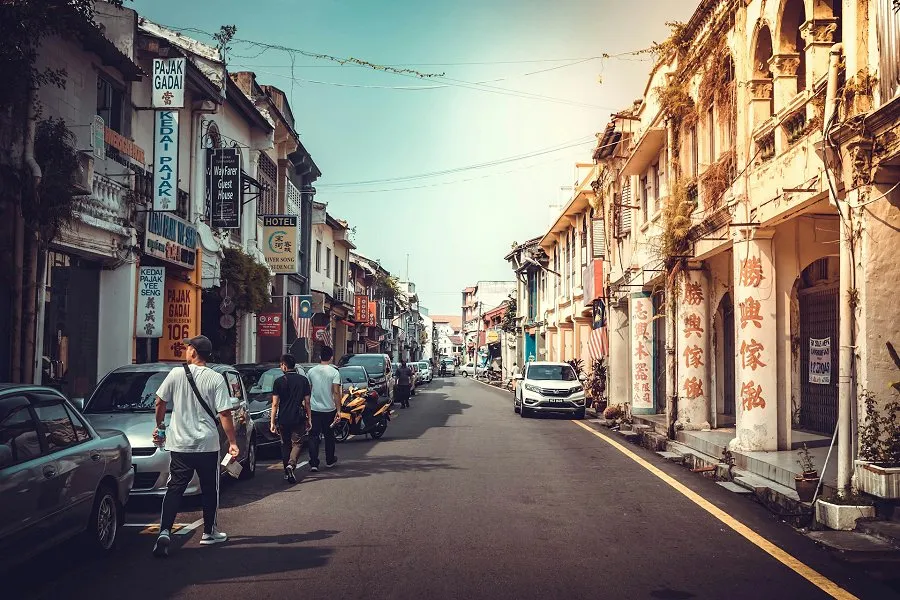
- Kota Melaka's Chinatown is known as Persiaran Jonker (Jonker Walk, or Jīcháng jiē 鷄場街). It comprises the area around Jalan Hang Jebat (Jonker Street). The street starts close to the Stadthuys and it is lined with numerous 17th-century buildings that house small shops, selling items like antiques, textiles, foods, handicrafts and souvenirs. Every weekend the street turns into a night market between 6 p.m. and midnight. During that time it is closed for traffic.
- The oldest Chinese temple in Malaysia is the Cheng Hoon Teng Temple
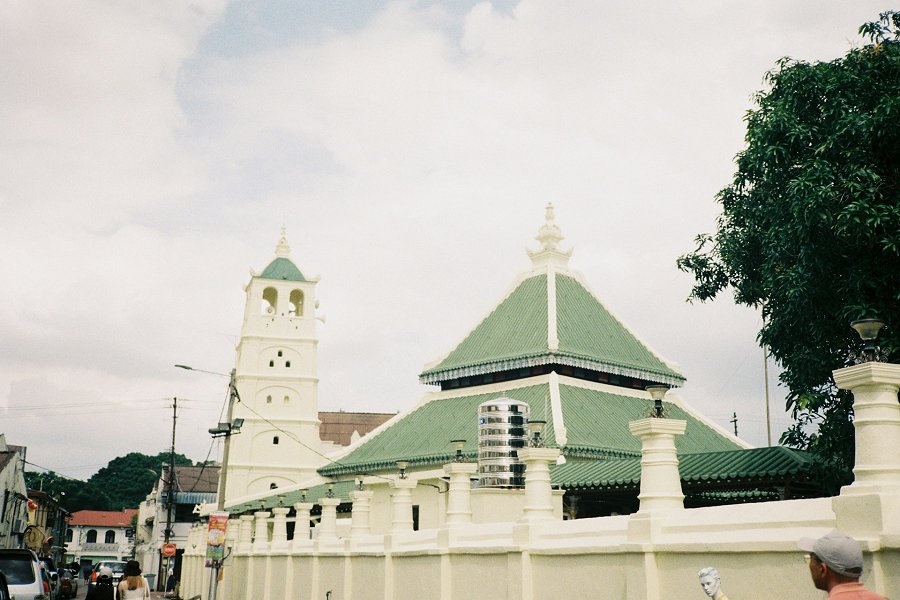 in Kota Melaka's old town. The temple was built in 1646, by Chinese artisans. All the materials used for the temple were imported from China too.
- The
Taming Sari Tower 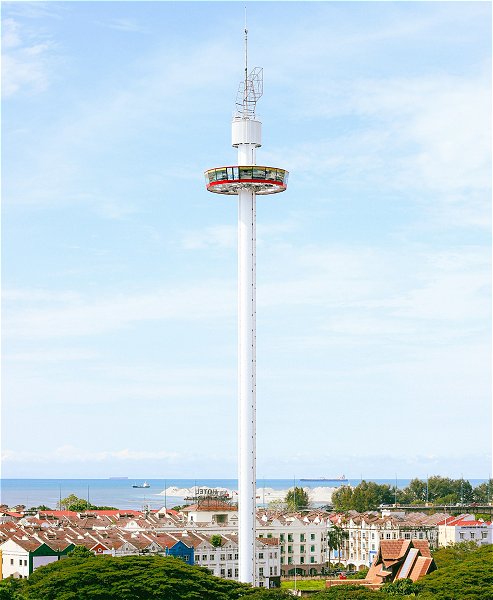 was built in 2008. It is 110 m tall and features a rotating viewing platform that rises to its top. It provides panoramic views over Kota Melaka and the surrounding countryside.
- The Muzium Istana Kesultanan Melaka (Melaka Sultanate Palace Museum) is a reconstruction of the palace of the Melaka Sultanate. It was built in 1984, using information and data from the Malay Annals. The building is home to the cultural museum, which has exhibitions on the region's history.
- The Muzium Samudera (Maritime Museum) has exhibitions that show the history of Kota Melaka's maritime activities. It was opened in 1994. Outside is a replica of the historic Portuguese vessel Flor do Mar.
There are numerous hotels and restaurants in town. Kota Melaka is 120 km southeast of Kuala Lumpur. The city was added to the UNESCO list of world heritage sites in 2008.

Images
Kota Melaka ©Muktasim Azlan
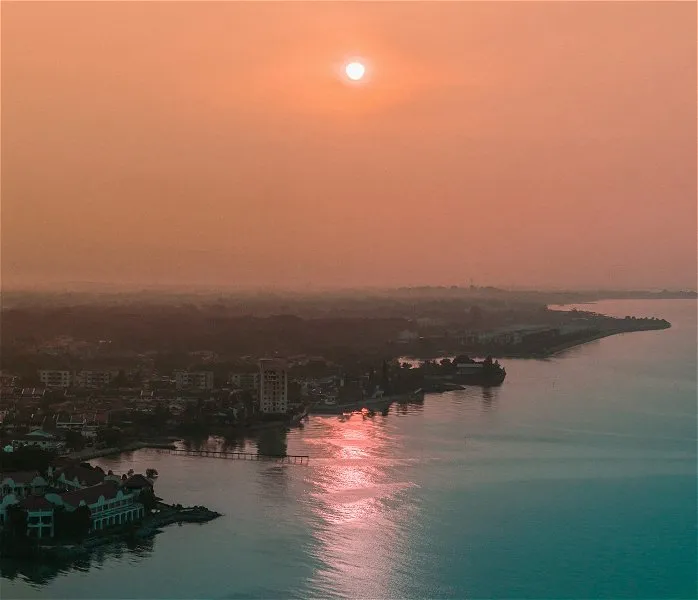
Jonker Walk ©Filipe Freitas
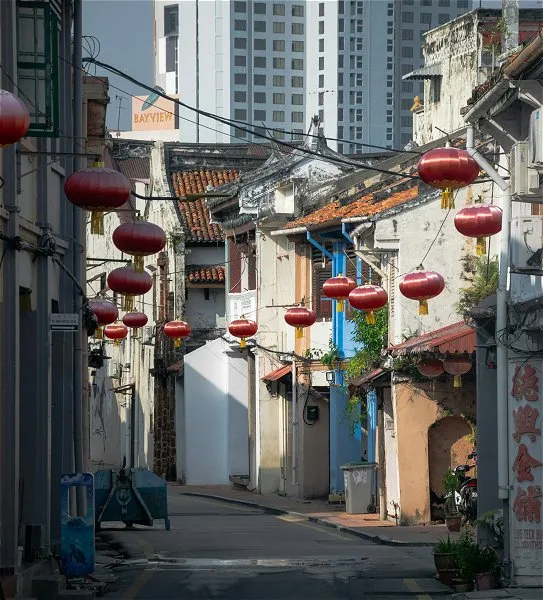
Kota Melaka ©Joylynn Goh
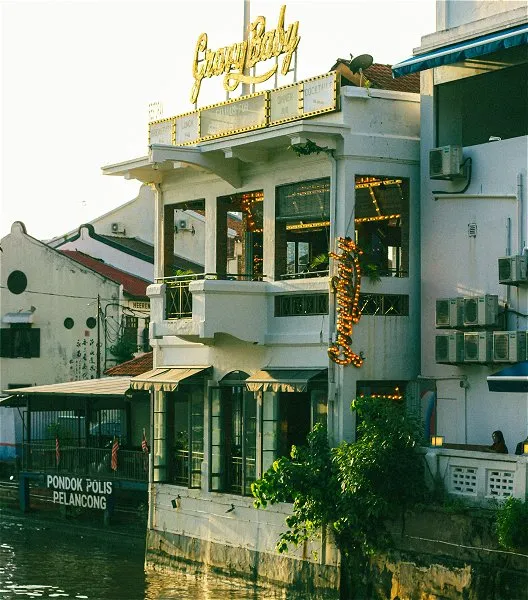
Cheng Hoon Teng Temple ©Cecelia Chang
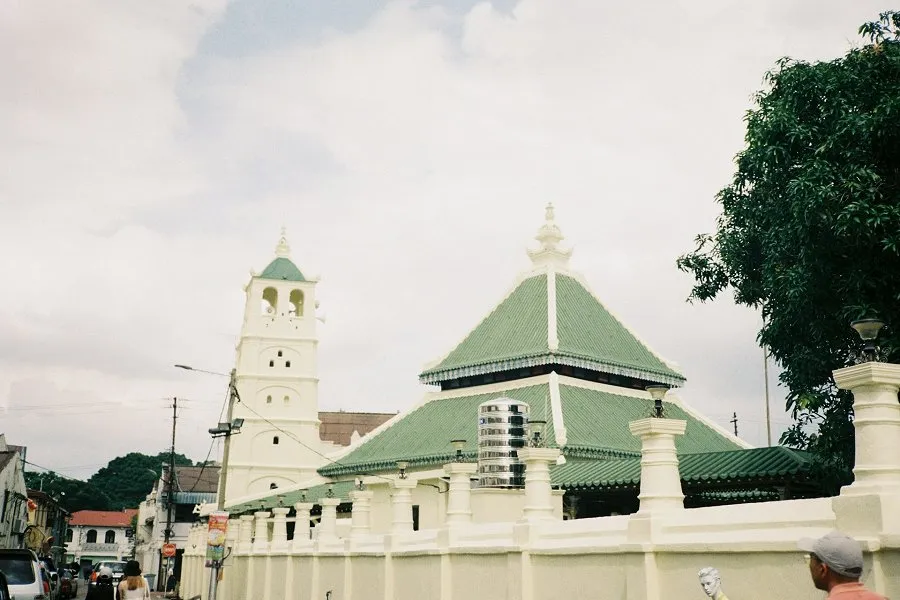
Taming Sari Tower ©Joylynn Goh
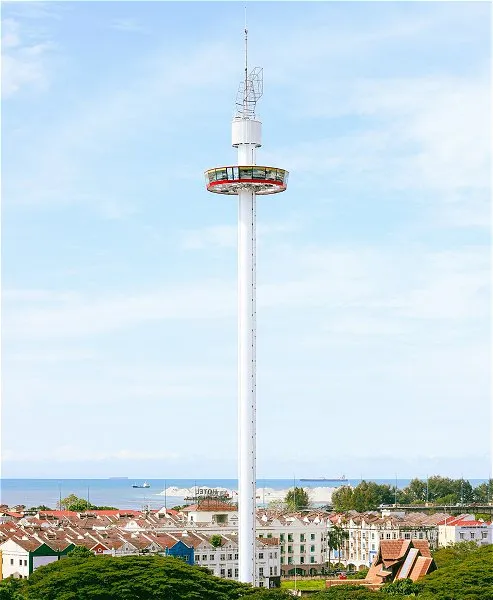
Kota Melaka ©Photo So Beautiful
Kota Melaka ©Joylynn Goh
Masjid Selat Melaka ©Kuiye Chen
Jonker Walk ©Hao Pan
Saint Paul's Church ©Joylynn Goh
Masjid Selat Melaka ©Job Savelsberg
Kota Melaka ©Sasha India
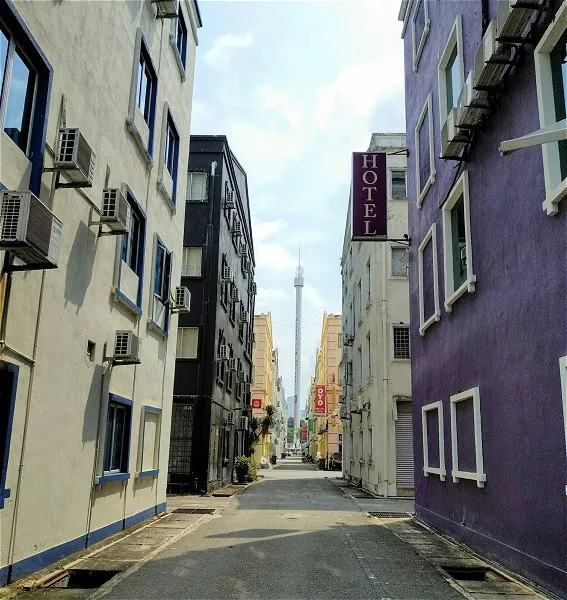
Jalan Kota ©YuXiang Yao
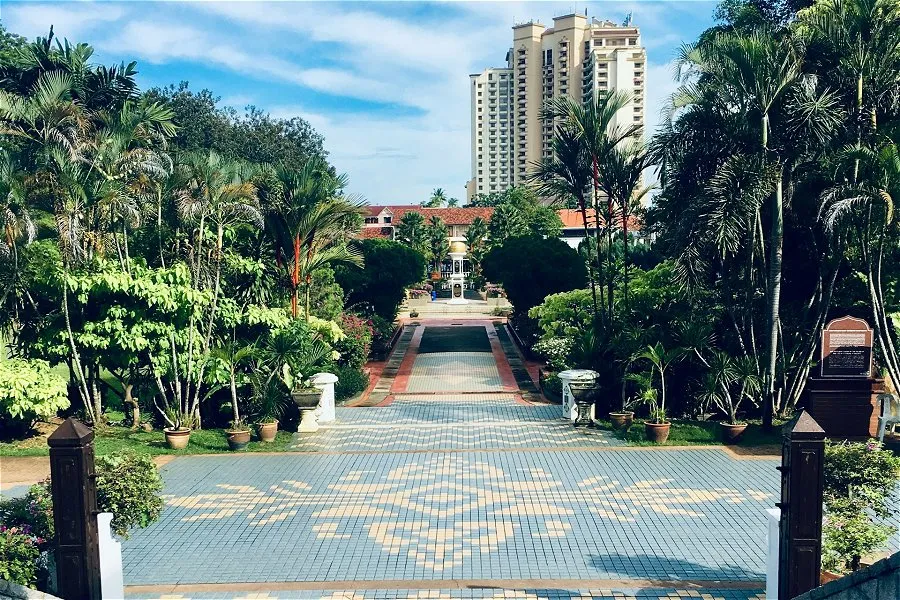
Melaka ©Valeriano G.
Monument ©Timothy Low
Masjid Selat Melaka ©Job Savelsberg